

Vector File Naming & Storage Best Practices for Businesses
Vector File Naming & Storage Best Practices for Businesses Poor file organisation causes costly mistakes, especially when multiple versions of logos exist. 👉 Internal link: How to Send a Vector File Common File Management Problems Businesses often struggle with: Multiple outdated logo versions Missing master files Incorrect formats sent to printers These issues slow production […]
CMYK vs RGB vs Spot Colours: Logo Printing Explained
CMYK vs RGB vs Spot Colours: Logo Printing Explained Colour issues are one of the most common reasons clients are unhappy with printed results. Understanding colour modes is essential for brand consistency. 👉 Internal link: What Saves as Higher Resolution a jpeg or png RGB Colour Mode Explained RGB is designed for screens and digital […]
Can Old or Scanned Logos Be Restored Into Vector Format?
Can Old or Scanned Logos Be Restored Into Vector Format? Many businesses only have access to old scans, photos, or photocopies of their logo. Fortunately, professional vector restoration can often rebuild these logos accurately. 👉 Internal link: Enhancing Low-Resolution Images: From Pixelated to Perfect Types of Artwork That Can Be Restored Logos can often be […]
What Makes a Clean, Professional Vector File?
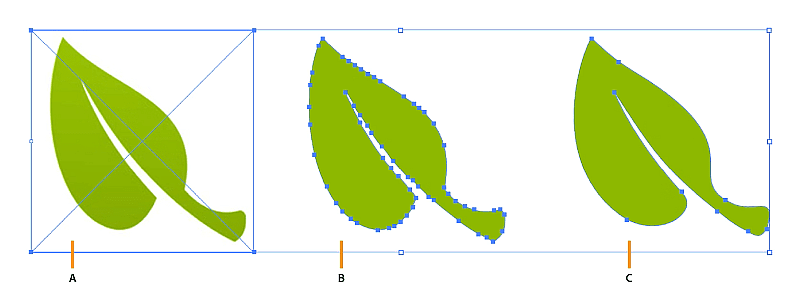
What Makes a Clean, Professional Vector File? Many files are technically “vector” but still fail professional standards. Clean vector structure is essential for printing, editing, and long-term brand use. 👉 Internal link: Why Logo Conversion Service like VECTORMAN is the best to use? Minimal Anchor Points and Smooth Curves Professional vectors use only the necessary […]
Vector Files for Embroidery, Screen Printing & Laser Cutting

Vector Files for Embroidery, Screen Printing & Laser Cutting Not all vector files are suitable for every production method. Embroidery, screen printing, and laser cutting each interpret vectors differently, making proper preparation essential. 👉 Internal link: Who uses Raster to Vector Conversion Services in Australia Vector Requirements for Embroidery Embroidery machines read vectors as stitch […]
👎Why Logos Fail When Printed Large — And How Vector Fixes It
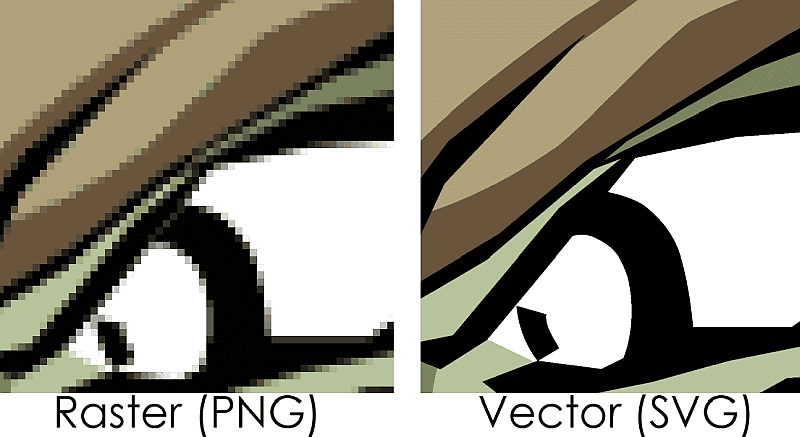
Why Logos Fail When Printed Large — And How Vector Fixes It A logo that looks fine on a website or email signature can fall apart completely when printed on a banner, vehicle, or building sign. This issue almost always comes down to file type and resolution. 👉: Enhancing Low-Resolution Images: From Pixelated to Perfect […]
SVG vs EPS vs AI: Which Vector File Format Should You Use?
SVG vs EPS vs AI: Which Vector File Format Should You Use? Understanding Vector File Types Choosing the wrong vector file format can cause compatibility issues, editing limitations, and print delays. Each format serves a different purpose, and understanding these differences ensures your logo works everywhere it needs to. 👉 Internal link: Graphic Files Explained […]
Why Auto-Tracing Logos Produces Poor Vector Results
Why Auto-Tracing Logos Produces Poor Vector Results Auto-trace is the button in Illustrator, Inkscape and dozens of free online converters that promises to turn a JPEG or PNG logo into a vector in one click. It is fast and it is cheap, and for some jobs it is good enough. For a logo that has […]
What Printers Actually Need: Vector File Requirements Explained
What Printers Actually Need: Vector File Requirements Explained Sending artwork to a printer should be simple, yet a lot of jobs are delayed because the supplied files do not meet professional print requirements. The printer emails back asking for “a vector file”, “outlined fonts” or “CMYK”, and the job sits in a queue while you […]
How to Check If Your Logo Is Truly a Vector File
How to Check If Your Logo Is Truly a Vector File Many businesses believe they have a vector logo simply because the file ends in “.EPS” or “.PDF”. Unfortunately, this is one of the most common causes of print delays and rejected artwork. Understanding whether your logo is genuinely vector — or just a raster […]